
Crafting Unique Textures in Baked Goods
Baked goods come in a wide variety of textures, from light and airy to dense and chewy. Achieving a unique texture in your baked creations can elevate the overall experience for you and your guests. In this article, we will explore different techniques to craft distinctive textures in baked goods.
1. Incorporating Emulsification Techniques
Emulsification is a key process in baking that involves combining two or more liquids that do not naturally mix, such as oil and water. This technique can greatly impact the texture of your baked goods. Here are some emulsification techniques you can use:
- Egg Yolks: Egg yolks contain lecithin, a natural emulsifier that helps create a smooth and creamy texture in baked goods like cakes and custards.
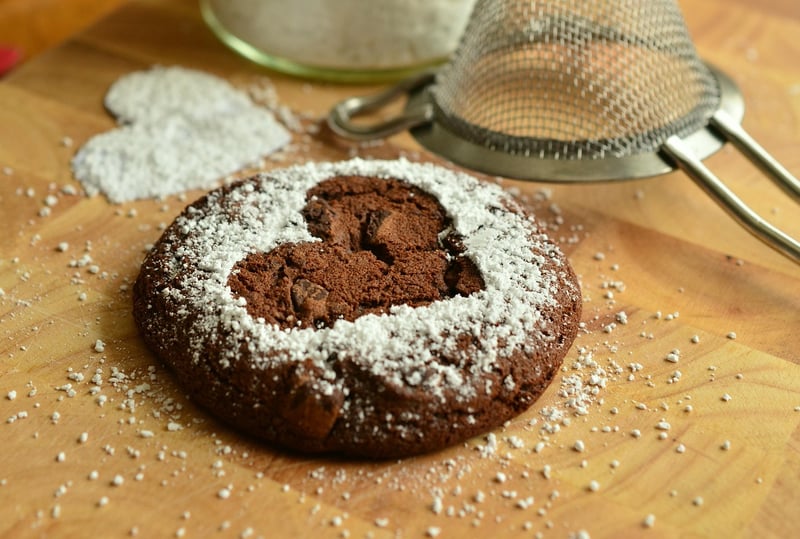
- Butter: Creaming butter with sugar in recipes like cookies creates air pockets that result in a light and tender texture.
- Mayonnaise: Adding mayonnaise to cakes and quick breads can enhance their moisture and texture.
2. Mixing Techniques for Different Textures
Aside from emulsification, how you mix your ingredients can also affect the texture of your baked goods. Here are some mixing techniques to achieve various textures:
- Overmixing: Overmixing can lead to tough and dense baked goods, so be careful not to overwork your batter.
- Folding: Gently folding ingredients like whipped cream or beaten egg whites into a batter can create a light and fluffy texture in cakes and soufflés.
- Creaming: Creaming butter and sugar together incorporates air into the mixture, resulting in a soft and tender crumb.
3. Experimenting with Ingredients
Don't be afraid to experiment with different ingredients to achieve unique textures in your baked goods. Here are some ingredients you can try incorporating:
- Almond Flour: Using almond flour instead of all-purpose flour can add moisture and a slightly denser texture to your baked goods.
- Yogurt: Adding yogurt to recipes like muffins and cakes can result in a moist and tender crumb.
- Cornstarch: Adding cornstarch to cookie recipes can create a softer and more tender texture.
By utilizing emulsification techniques, mixing methods, and experimenting with ingredients, you can create a wide range of unique textures in your baked goods. Have fun exploring different combinations to find the perfect texture for your next baking masterpiece!